
Introduction: Designed for the Demands of Precision Sensing
In high-temperature manufacturing and process control, reliable temperature measurement is non-negotiable. Thermocouples are the backbone of thermal monitoring systems, yet their performance is only as good as the protection surrounding them. Enter the thermocouple sheath, an unsung but essential component that shields sensitive thermoelements from heat, chemical corrosion, and electrical interference.
Among available materials, Boron Nitride (BN), particularly in its machinable, hexagonal form (hBN), has emerged as a top choice for sheath design. With a rare combination of high thermal conductivity, electrical insulation, chemical inertness, and mechanical stability, BN empowers engineers to deliver more accurate, longer-lasting, and interference-free temperature sensing, especially in extreme or corrosive environments.
This article explores how BN-based thermocouple sheaths benefit engineering teams seeking precision, performance, and durability in challenging industrial applications.
1. Designed for Precision: High Thermal Conductivity for Fast, Accurate Readings
A key requirement for any thermocouple sheath is the ability to transfer heat efficiently. If the sheath material insulates too well or creates a thermal lag, readings can be delayed or inaccurate, compromising process control and product quality.
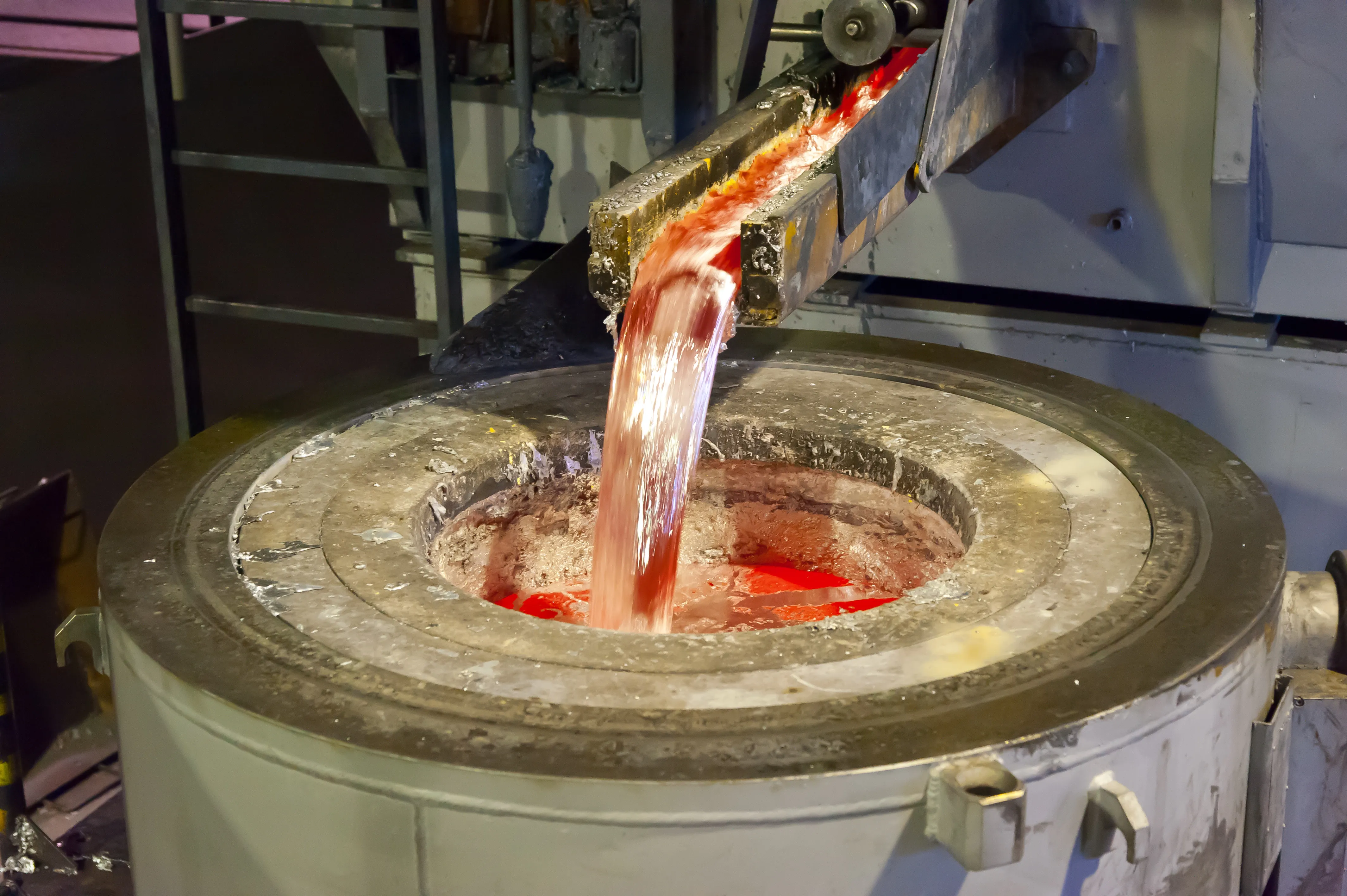
BN’s high thermal conductivity ensures rapid heat transfer between the process medium and the thermocouple junction. This allows the sensor to reach thermal equilibrium faster, resulting in quicker response times and more accurate readings. In processes with fast temperature fluctuations, like aluminum casting or high-speed thermal cycling, BN sheaths allow thermocouples to keep pace without distortion.
The sheath can also be designed to preferentially conduct heat in the through-plane direction, minimizing lateral heat loss and ensuring that the thermocouple accurately reflects the surrounding environment’s temperature. This directional control further enhances response precision in critical process zones.
2. Built to Withstand: Chemical and Thermal Protection in Aggressive Environments
Thermocouples often face conditions where even high-performance ceramics degrade. From molten metal contact to aggressive gas atmospheres, many materials fail due to oxidation, corrosion, or thermal shock.
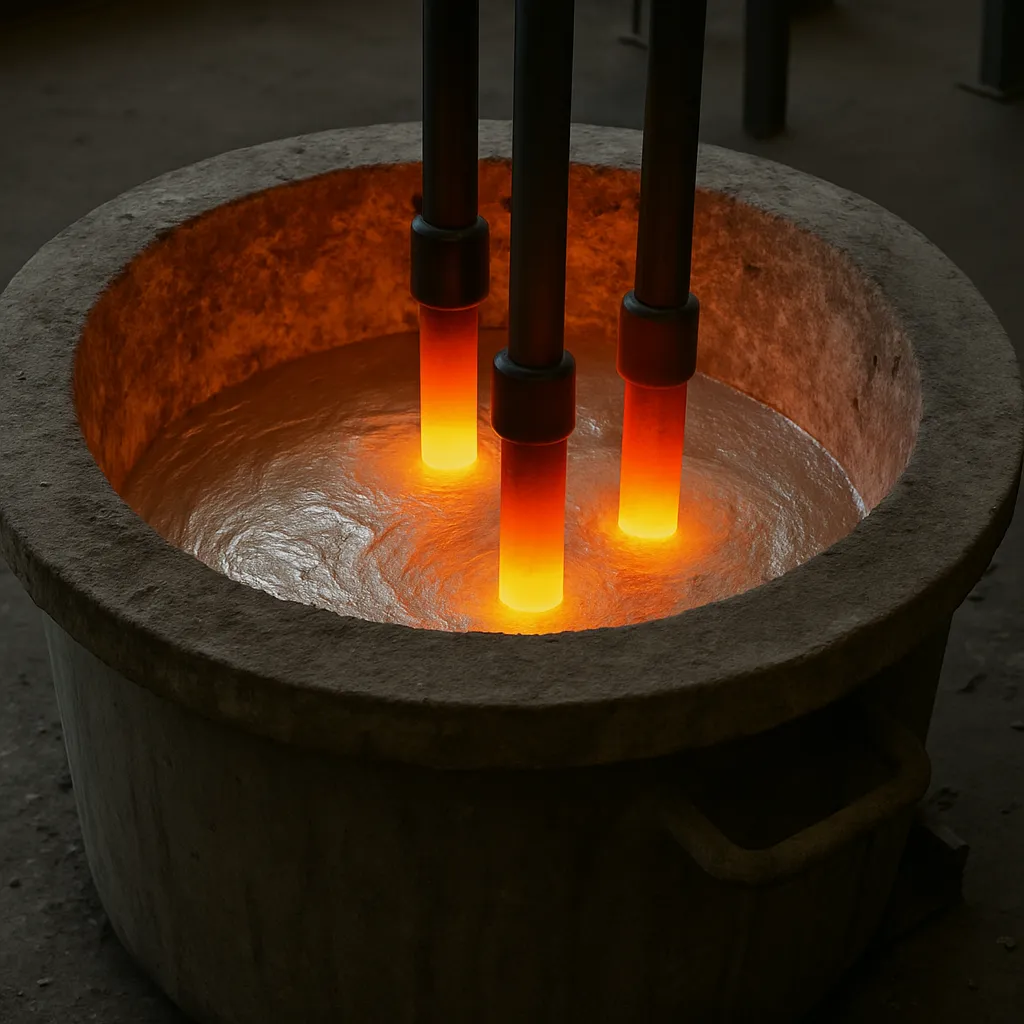
BN stands out with its ability to resist oxidation up to 900°C and remain stable above 1800°C in inert atmospheres. It retains structural integrity even during repeated heating and cooling cycles, minimizing the risk of cracking or deformation. This makes BN particularly effective in harsh environments such as:
- Molten aluminum and zinc baths
- Vacuum and controlled-atmosphere furnaces
- Chemical reactors with reactive gases
Additionally, BN’s chemical inertness protects the thermocouple from corrosive reactions with process media. It prevents contamination of the thermoelements, prolonging their lifespan and ensuring consistent calibration.
3. Electrically Reliable: Dielectric Properties That Protect Signal Integrity
Accurate temperature sensing is more than just thermal, it's also about clean electrical signals. In electrically noisy environments, signal drift, short circuits, or grounding errors can distort temperature readings, especially over time.
BN’s high dielectric strength makes it an excellent electrical insulator. Even at elevated temperatures exceeding 1000°C, BN maintains high resistivity, shielding thermocouple wires from stray currents, electromagnetic interference, and conductive process materials.
This property is especially important in high-voltage or high-frequency applications like:
- Induction heating systems
- Power electronics manufacturing
- Semiconductor wafer processing
For engineers designing precision assemblies, BN ensures signal fidelity from the point of measurement to the control system, reducing the need for signal correction or filtering.
4. Made for Makers: Easy Machining and Customization for Complex Geometries
BN’s performance properties wouldn’t be as valuable if they were difficult to apply. Fortunately, BN is one of the most machinable advanced ceramics, giving engineers the freedom to design and build without compromise.
BN can be cut, shaped, and finished using standard machining tools, no high-temperature sintering or post-processing required. This enables the creation of:
- Custom sheath geometries for tight space constraints
- Multi-sensor assemblies with precise bore alignments
- Retrofit components for legacy equipment
- R&D prototypes where rapid iteration is key
This is where Saint-Gobain’s machinable BN solutions play a key role. Our high-purity BN ceramics are engineered to deliver consistent performance while enabling tight tolerances (±0.05 mm) and complex shapes, ideal for teams working in precision environments.
5. Proven in the Field: Long-Term Reliability Without Material Breakdown
Engineers designing for long-term performance need materials that won’t fail under pressure. BN-based sheaths offer the trifecta of thermal stability, chemical resistance, and electrical insulation, all maintained over extended use cycles.
The result?
- Reduced maintenance and recalibration
- Fewer sheath replacements
- Improved thermocouple uptime
- Consistent sensor performance over time
In mission-critical applications, where downtime is costly or dangerous, BN sheaths provide peace of mind.
6. Proven Across Industries: Trusted in Thermal-Intensive Applications
BN-based thermocouple sheaths are trusted in industries where performance cannot be compromised:
- Steel and non-ferrous metallurgy: Withstand corrosive molten metal exposure
- Ceramic and glass manufacturing: Handle thermal shock and aggressive atmospheres
- Semiconductor fabrication: Deliver clean, EMI-free readings in sensitive environments
- Aerospace and defense: Maintain mechanical and electrical integrity under high heat
- Energy systems: Operate in high-temperature, electrically active zones
BN’s combined properties make it a go-to material in sectors demanding both endurance and precision. Whether used in pilot lines or large-scale production, its performance advantages hold steady across the board.
What Sets Saint-Gobain’s BN-Based Thermocouple Sheaths Apart?
For decades, Saint-Gobain has been at the forefront of high-performance ceramics, engineering materials that solve real-world thermal, chemical, and electrical challenges. Our machinable BN ceramics are manufactured with strict quality control and supported by a team of ceramic and material engineers who understand the complexity of sensor design.
Whether you're prototyping a new thermocouple sheath or scaling production, we work with you to ensure material performance aligns with your operational goals.
Conclusion: A Smarter Approach to Thermocouple Design Starts with the Right Sheath
Every temperature sensor is only as reliable as the sheath protecting it. Boron Nitride-based thermocouple sheaths empower engineers to build systems that respond faster, last longer, and perform cleaner, even under extreme industrial conditions.
Whether you're retrofitting existing systems or developing advanced assemblies from scratch, BN gives you the material advantage, combining thermal, chemical, and electrical benefits in one robust, customizable package.